
Government · 7 min read
Lost Kenyan ID: police abstract, OB number and waiting card
Understand the police report and waiting card when replacing a lost Kenyan ID, plus safe application and collection checks.
By Dismus Nganyi · Published 10 November 2026 · Last reviewed 10 November 2026
Want a hand with this on eCitizen?
Prefer to do it yourself? The guide continues below.
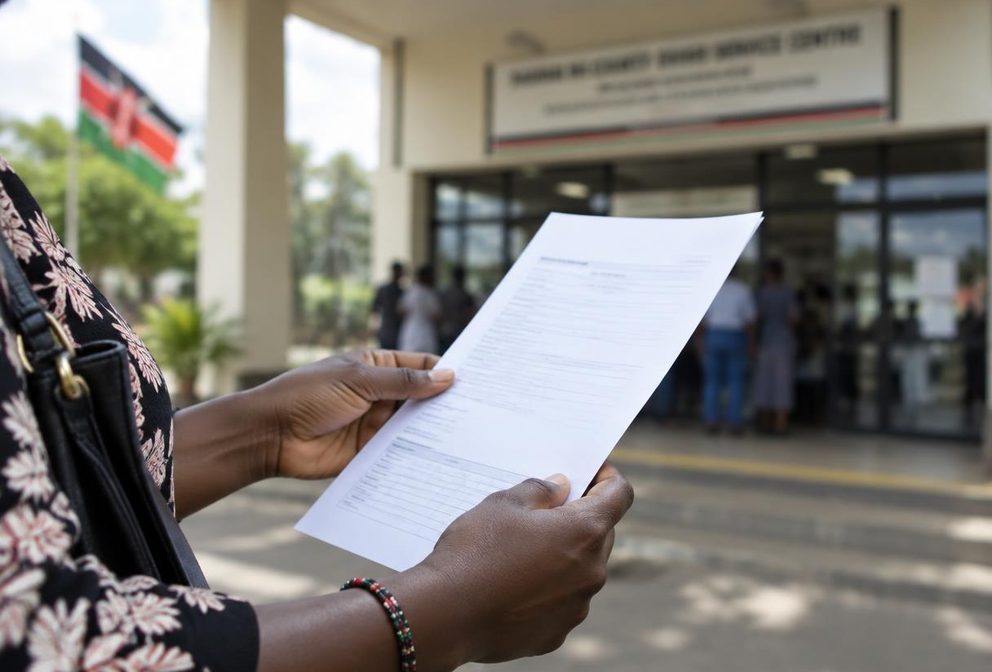
Losing your national ID creates two separate tasks: recording the loss with the police and applying for a replacement through the registration service. A police abstract is not the replacement application. A waiting card comes later, after your application is accepted. Keeping these documents separate makes follow-up much easier.
This guide focuses on the police abstract, the Occurrence Book reference and the waiting card. Our step-by-step replacement guide covers the full application. The National Registration Bureau is responsible for national identity registration and issuance; Cyber Kenya can help you prepare and understand instructions, but cannot issue an ID or bypass official identity checks.
1. Report the loss and ask for the OB reference
Report the missing ID at a police station. Explain when and where you last had it and whether you suspect loss or theft. Give accurate details rather than guessing a location or inventing a theft account. Take any available copy of the ID or reliable record of its number to help identify the document being reported.
- 1Tell the officer you are reporting a lost national identity card and explain the circumstances clearly.
- 2Ask for the Occurrence Book reference, commonly called the OB number, and note the station and report date alongside it.
- 3Request the police abstract from the recorded report. Check your name, the document description and the police reference before leaving.
- 4Keep the abstract safe and make a readable copy for your own records. Ask the officer how to correct any mistake you notice.
The OB reference helps the station locate the report. Keep it exactly as issued rather than rewriting it from memory. It is not a substitute for an issued abstract where the registration office asks for that document. If you do not remember your ID number, say so and ask the police and registration office what identification evidence they need.
2. Understand what the police abstract proves
An abstract records information drawn from police records about the reported incident. The National Police Service publishes an abstract form with spaces for the complainant, reporting station and police reference. Downloading or printing a blank form does not make it an issued police document. Do not sign for an officer or buy a completed abstract from an unofficial seller.
The official police form states that the abstract form is free of charge. This does not establish the current replacement ID fee, which is a different matter handled through the registration process. An abstract is also not a police clearance certificate. Use the document requested for a lost ID, not an unrelated criminal-record application.
Tip: A report creates a record of your account of the loss. It is not a blanket guarantee that you cannot be questioned if the missing ID is misused. Report suspicious use separately and keep the reference for each report.
3. Prepare for the duplicate application
Contact a registration office or Huduma Centre to confirm the current duplicate-ID requirements before travelling. Ask whether that location handles replacements and whether an appointment is needed. Huduma’s official FAQ confirms that identity services are among the services offered, but individual arrangements and document checks should be confirmed for the desk you plan to visit.
- Carry the issued police abstract and keep your OB reference accessible in case the report must be traced.
- Bring any available copy of the lost ID and other identification evidence requested by the registration office. Do not assume a photograph on your phone is sufficient.
- Use your correct names and existing ID details. A duplicate application is not an opportunity to make unsupported changes to identity particulars.
- Have a contact you control available for application communication. Keep your original documents in a folder and ask which originals must be presented and which copies will be retained.
If your documents contain different names or dates, raise the discrepancy before submission. Ask whether it requires a correction process or additional evidence. Do not sign a form you have not read, even if someone says the details can easily be fixed after printing.
4. Submit the application through the official desk
- 1Attend the registration office or Huduma Centre with the documents it has confirmed for your case.
- 2Explain that this is a duplicate application for a lost ID, present the police abstract and complete the current application requirements.
- 3Complete any required identity verification, photograph or biometric capture under the officer’s instructions. Do not pay an outsider to provide substitute identity information.
- 4Ask about the current official replacement fee and any applicable waiver before paying. If payment is required, use the official instructions and keep the receipt.
- 5Before leaving, confirm that the application has been accepted and ask for the waiting card or official acknowledgement used for follow-up.
This guide does not quote a replacement fee because a current gazetted figure or applicable waiver was not conclusively verified. Use the current official replacement fee confirmed for your application. Official government fees are separate from Cyber Kenya’s assistance fee. Do not pay a private number for a supposed fast-track ID unless the registration authority has expressly provided that official payment instruction.
5. Check and protect your waiting card
The waiting card or acknowledgement is your evidence that you have lodged the registration application. Before leaving, check the identifying details and reference against your application. Ask the officer which reference to use for follow-up, where to collect the finished card and whether you must bring the original waiting card back. Do not assume every number printed on it is an ID number.
Store the original safely and keep a clear backup image for reference. Do not laminate, alter or write over official entries without asking whether that is permitted. If the card is lost or becomes unreadable, contact the issuing office and ask how to obtain acceptable follow-up evidence. A homemade replacement or edited photograph can create more problems than it solves.
6. Know the limits of temporary documents
Do not assume a police abstract or waiting card will be accepted wherever an original national ID is required. A bank, mobile operator, employer or government service may have its own identity-verification requirements. Contact the particular institution before a deadline and ask which temporary evidence it can accept, if any. Carry the documents it specifies rather than relying on advice from another customer.
A waiting card does not automatically satisfy an online form that requires a national ID scan or identity database verification. Do not upload it under a misleading document label or use another person’s ID to complete the task. If an urgent service cannot proceed, request the institution’s official alternative or escalation route.
7. Follow up and collect safely
Use the follow-up method provided by the registration office. Keep your application reference, submission date and collection location together. This guide does not promise a processing period or provide an unverified tracking shortcode. If you receive a collection message, confirm it relates to your application before making any unexpected payment or opening an unfamiliar link.
When told the ID is ready, take the collection documents requested by the office, including the original waiting card if required. Check the finished ID before leaving and report errors promptly. If the old card turns up while replacement is underway, ask the registration office what to do with it. Do not maintain conflicting identity documents or hand the found card to an unofficial collector.